
It’s winter, a season for warm blankets, cozy sweaters, hot tea, and soup along with chilly winds.
On one hand, we all enjoy the winter wrapped in blankets, while on the other hand, our bodies are struggling with – dehydration. In winter, we tend to drink very little water because we feel less thirsty.
But the truth is our body needs just as much water in winter as it does in summer and sometimes even more to stay hydrated in winter.
Cold winds, indoor heating of the heater and reduced thirst—these are all signs of dehydration that we often fail to notice. In this blog, we will discuss how to stay hydrated in winter, why it is necessary, what we should drink, what we should eat, the symptoms of dehydration, what to avoid, and some expert tips to keep us healthy, energetic, and hydrated during winter.
Table of contents
Why hydration is important in winter
Many people believe that dehydration only happens in the summer, but the dryness in winter is even more severe. The cold air has very low humidity, and our remaining skin moisture gets absorbed by warmers and heaters.
Here’s why winter hydration matters
1.Feel less thirsty:
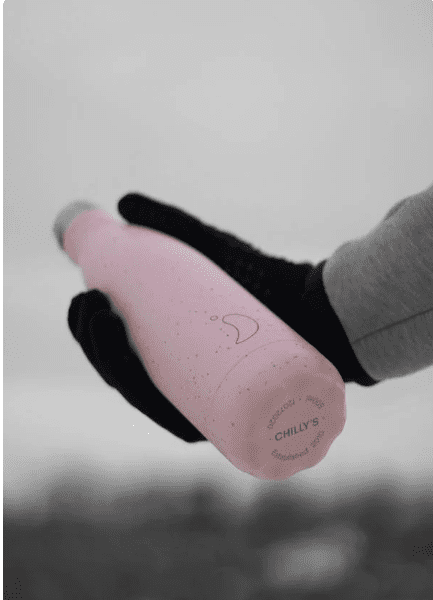
In winter, our brain’s thirst response weakens, which is why even when our body is dehydrated, we don’t feel thirsty.
2.Cold air dries your skin and body:
In winter, cold winds draw moisture from our body, which causes dryness and cracks in the skin. Due to lack of water, our skin loses its elasticity and becomes dull.
3.Dehydration reduces immunity:
Water plays a very important role in maintaining the immune system and transporting nutrients. Winter brings colds and flu, and dehydration makes us even more vulnerable to them.
4.Digestive system slows down:
Lack of water leads to bloating,constipation and sluggish digestion, which are common complaints in winter.
5.Warm clothing causes hidden sweating:
Heavy woollen sweaters, jackets and thermal wear -all make our body warm and cause sweating, but we don’t notice it.
How much water do we need to stay hydrated in winter?
On average, adults need 7-8 glasses of water daily to stay hydrated in winter. However, needs vary depending on:
- Age
- Bodyweight
- Diet
- Activity level
- Health condition
- Weather
There is a simple formula for calculating water requirement is:
your weight (in kg) x 0.033=daily liters of water
for example:
If you weigh 70 kg = 70 x 0.033=2.31 liters per day
Best ways to stay hydrated in winters
Hydration doesn’t just mean drinking plain water all day. There are plenty of other great ways to incorporate water into your winter routine that we’ll enjoy.
Let’s talk about a few.
1. Start your morning with warm water
Drinking a glass of warm water on an empty stomach is a powerful winter habit. It has many benefits:
* Stimulates digestion
* Boosts metabolism
* Flushes out toxins
* Prevent dehydration
* Keeps your body warm
Add lemon or honey for extra hydration
2. Add herbal teas to your routine
Herbal teas are warm, hydrating, and soothing. Along with boosting immunity, they also provide antioxidants.

* Tulsi tea
* Lemon tea
* Ginger tea
* Mint tea and
* Cinnamon tea are some great option for a perfect winter.
3. Sip water throughout the day
In winter, our bodies give us fewer signals of thirst, so we should not wait to feel thirsty. We should drink 7 to 8 glasses of water every day.
We should take small sips every half hour. This keeps our body hydrated throughout the day.
4. Eat water-rich winter foods
If you are unable to drink enough water, consider food items that are rich in water and nutrients to keep your body hydrated. Include food items like
* Oranges
* Cucumbers
* Grapes
* Pomegranates
* Spinach
* Tomatoes
* Broccoli
* Carrots
* Apples
* Soups and Broths
These food items keep your body hydrated without exceeding water intake.
5. Include fruits and vegetables in every meal
During winter, many seasonal products are available that help us stay hydrated. We should include gourd, pumpkin, and many green leafy vegetables in every meal, which naturally increase our water intake during winter.
Kiwi, berries, oranges, and grapes provide us with vitamin C, fiber, and natural electrolytes along with water. These support immunity and skin.
6. Enjoy warm hydrating drinks
Warm beverages feel very good in winter, but many people rely on tea and coffee. However, we should avoid too much caffeine intake and instead choose herbal or caffeine-free options like:
* Warm turmeric milk
* Warm lemon water
* Honey water
* Soups and Broth
* Coconut water
These drinks hydrate your body and reduce dryness in your skin.
7. Avoid too much tea, coffee and alcohol
In winter, people tend to consume more tea, coffee, and alcohol. However, these drinks cause our bodies to lose water quickly. We should consume these beverages in moderation. we should avoid some beverages like
* Excess coffee and tea
* Cold drinks
* Energy drinks
* Alcohol
Replace them with healthier alternatives.
8. Use hydration apps or reminders
We forget to drink water in our busy routine, so we should use reminder like
* Water- tracker apps in phone or smart watches
* Smart water bottles
* Use sticky notes
These small reminders build a powerful hydration habit.
9. Monitor your urine colour
This is an easy hydration test
* Light yellow or pale –hydrated
* Dark yellow- dehydrated
* Very light or white-too much water
Check it regularly.
10. Keep your skin hydrated
Hydration should be achieved not only internally but also externally. Winter dryness can cause cracked skin and chapped lips.
There are a few ways to hydrate your skin.
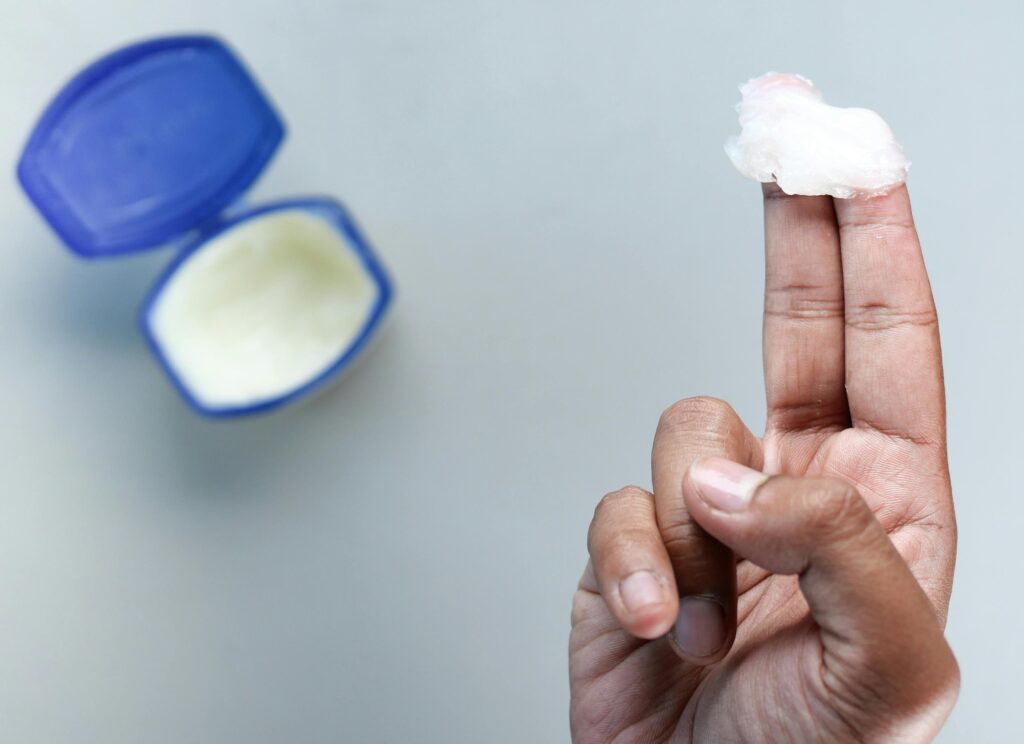
* Drinking enough liquid
* Applying lip balm
* Using moisturisers
* Do not take hot showers
* Use less heater
Try to lock moisture to keep skin glowing in winter.
Benefits of staying hydrated in winter
There are many benefits of proper hydration in winter.
1. Strong immunity : Staying hydrated keeps our body protected from illnesses and infections caused by cold.
2. Better digestion: Drinking proper water prevents us from bloating, acidity and constipation.
3. Better temperature control: Water helps regulating body temperature and keep us warm naturally.
4. Healthy and glowing skin: Hydration prevents dry and rough skin and improves elasticity of skin.
5. Improved joint health: Hydration helps in reducing joint pain in winter.
6. More energy: Fatigue and weakness are caused by dehydration; proper hydration improves performance and mood.
Signs of dehydration in winter
There are many signs of dehydration like
* Rough skin
* Dark yellow urine
*Dry lips
*Dry throat
*Headaches
*Fatigue
If you notice more than two symptoms then increase your fluid intake.
Precaution for winter hydration
Keep the following tips in mind to stay hydrated in winter
*Avoid extremely hot water- it can damage your throat.
*Limit caffeine intake.
*Check your urine color regularly.
*Don’t drink too much water at once.
Frequently asked questions
1. How can I stay hydrated in winter without drinking too much water?
Drink herbal teas, warm water, coconut water, soups, eat seasonal fruits and vegetables.
2. Is warm water better than cold water?
Yes, in winter warm water improves digestion and keeps you hydrated.
3. Can kids get dehydrated in winter?
Yes, Give them fruits, coconut water, soups and frequent sips of water.
4. Why do I feel less thirsty in winter?
In cold weather body’s thirst response is less, which makes dehydration silent.
5. Can dehydration cause headaches in winter?
Yes, headache is one of the first signs of dehydration.
Final thoughts
Winter hydration is simple but very important. Many of us unknowingly drink less water in winter, which leads to problems like poor digestion, fatigue, dry skin, and more. Drinking warm water, herbal teas, and eating hydrating and mindful food helps us stay healthy, energetic, and glowing throughout the winter.
To stay hydrated in winter is not a big task- it just requires small, consistent habits that support your body every day.